Get in touch:
068 498 2689
e-mail:
info@michellescholtz.co.za
Psychotherapy is an umbrella term that involves numerous different psychological and evidence-based techniques which aim to support clients to better understand and or modify their behaviours, thoughts and emotions, that are causing challenges or distress in their daily functioning. Psychologists use many different therapeutic interventions with children, adolescents, adults, groups and families, depending on the diagnosis, disorder or challenges which affect the client’s cognitive, behavioural, physical, social and emotional functioning. The main purpose of psychotherapy is to promote resilience, mental health, personal growth and also to encourage overall well-being and optimal learning and development of individuals, groups and families across their lifespan.
Psychotherapy is a collaborative treatment based on the relationship between an individual or group and the psychologist. Psychotherapy enables clients of all ages to share their opinions, thoughts and feelings in a safe space, without judgement or prejudice. Psychologists use several approaches to psychotherapy, depending on the client’s needs. These precise methods will differ according to the training of the psychologist, the client’s preferences and the nature of the problem. Approaches/methods include, but are not limited to:
 Often includes classical conditioning, operant conditioning, or social learning techniques to assist clients with challenging behaviours.
 Aims to identify the cognitive distortions that lead to certain thought patterns and attempts to restore these thought patterns with realistic and or positive ones. Cognitive therapy is based on the concept that our thoughts have a powerful influence on our mood and mental health.
 Integrates cognitive and behavioural techniques to assist the client in modifying any distorted thoughts that contribute to distress and modifying any maladaptive behaviours that resulted from these underlying thought patterns.
 Aims to assist clients in maximizing their full potential by developing a healthy sense of self, exploring their feelings, finding meaning, and focusing on their strengths. The main focus is placed on free will, human potential, self-discovery, self-exploration, and self-actualization.
 Psychoanalytic therapy involves the exploration into a client’s thoughts and past experiences in order to identify any unconscious thoughts, feelings, and memories that may influence behaviours.
Through the use of psychotherapy, psychologists aim to empower individuals, groups and families with new skills and mechanisms to manage their daily lives effectively.
If you or a family member experience any challenges that affect daily functioning or have any symptoms related to a psychological/ mental health disorder, a psychologist may assist you by assessing, diagnosing and treating as required. Psychotherapy techniques can be used to effectively support clients with many different life-challenges. Examples include:
– Fabienne Fredrickson
We experience emotional and psychological stress on a daily basis, and when our emotions, behaviours and thoughts become overwhelming and disturbs our daily functioning, relationships, or wellbeing; therapeutic support may be required. There are numerous factors that range in severity and intensity which may cause distress across the lifespan, and where psychotherapy may be beneficial, including:
Emotional and Mental Health Concerns
– Self-esteem difficulties, Emotional breakdowns, Unpleasant feelings/thoughts
– Lack of motivation/desire, Depression, Persistent sadness/hopelessness
– Stress, Trauma, Anxiety (general, social, persistent worry)
– Anger issues, Frustration, Burnout
– Expressing suicidal thoughts, victims of crime, coping after loved one’s death or suicide
Social and Relationship Issues
– Difficulties making friends, Socializing, Maintaining healthy relationships
– Rejection, Bullying, Isolation, Withdrawal, Peer pressure
– Challenges with communication and conflict management, social skills development
Behavioural and Developmental Concerns
– Behaviour management/habit modification, Repressed childhood issues
– Bed wetting, Soiling, Regressive behaviours
– Eating disorders, Changes in eating or sleeping patterns, Experiencing regular nightmares
– Separation anxiety, Fears, Phobias, Social anxiety
– Obsessive/compulsive thoughts or behaviours, Constant overreacting/dysregulation
– Cutting or self-harming behaviours, Substance abuse
Adjustment and Life Transitions
– Challenges with adjustment (new job, relocation, change of schools/workplace)
– New family dynamics (remarriage, blended families, new baby, divorce recovery)
– Fear or avoidance of school/work
– Financial, social, and physical life-challenges
– Grief counselling, Trauma debriefing, Bereavement/loss of a loved one
– Chronic illnesses, Managing Physical disabilities
Academic and Work-Related Concerns
– Sudden drop in marks/grades, Work stress, experiencing failure or feeling like a failure
– Inability to concentrate, think clearly, or make decisions
– Uncertainty regarding career path, future opportunities, job satisfaction, self-actualisation

– Gary Landreth
Children also need opportunities to communicate and work through the challenges that affect their daily functioning. However, children often find it difficult to verbalise their feelings and emotions, and struggle to cope with their overwhelming emotional states. Therefore, children usually benefit from play therapy. By combining several different techniques/evaluations, the root cause of your child’s behavioural and or emotional issues may be determined and addressed. By using play therapy, children are given the opportunity to express their feelings, and to process and resolve several difficulties they are facing. Through the use of drawings, dolls/toys, sentences, clay/dough, free play, paint, sand, water, miniature objects, art, behavioural and emotional checklists, or formal projective instruments during play therapy, the children are enabled to express themselves more clearly than when relying on language alone. Play therapy permits children to face their problems and to better deal with and process what they are experiencing.
– Unknown
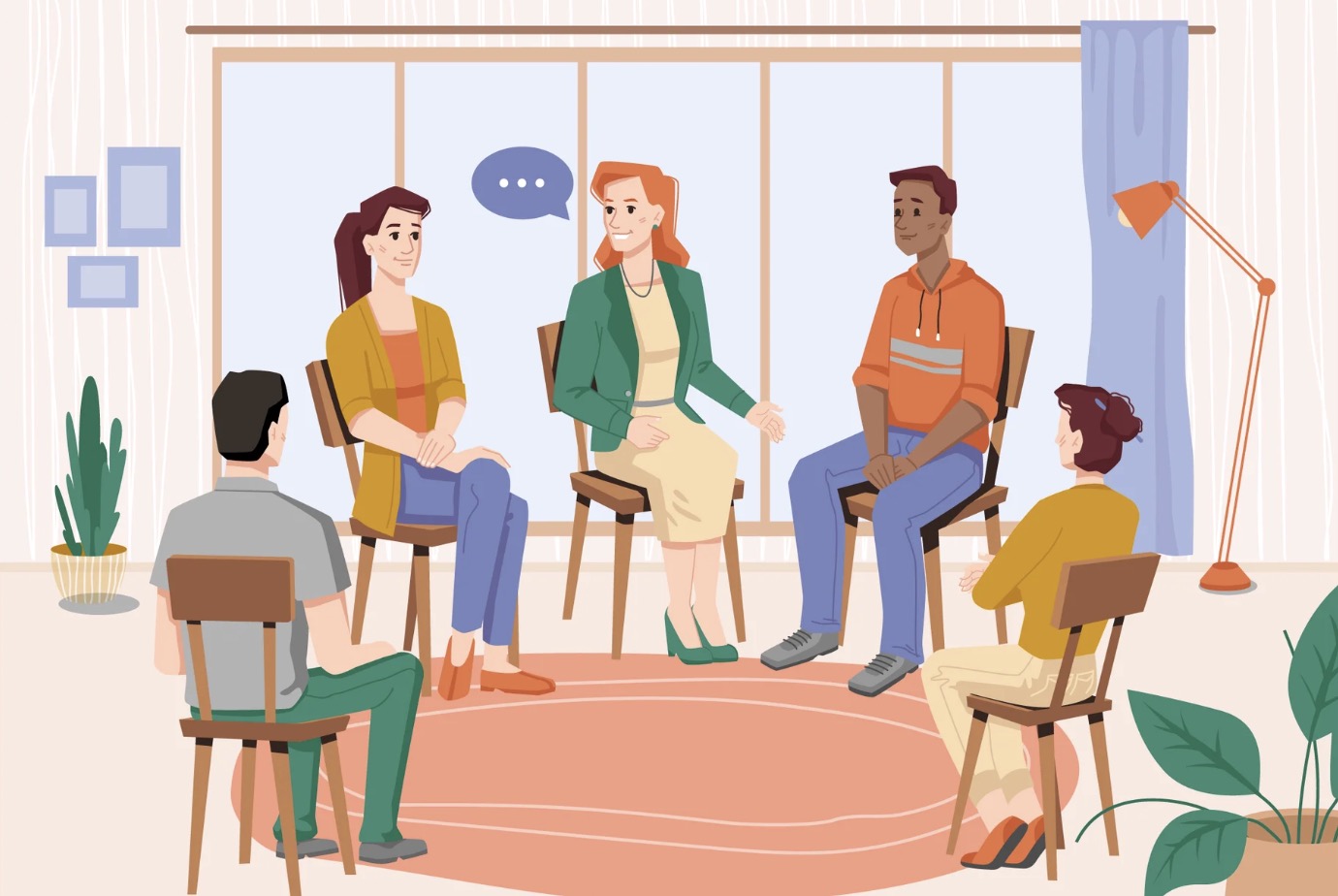
Group therapy is a form of psychotherapy, that involves the treatment of multiple participants (usually between 8-12 members) by one or more healthcare providers. These participants, meet on a regular basis and share their experiences, challenges and uncertainties regarding specific topics or diagnoses. Together, they support each other, provide feedback to one another, and also have the opportunity to develop their socialisation and communication skills, specifically in terms of the issues that they face. Group Therapy/ Support Groups can be used for a variety of conditions or concerns that affects not only the clients, but also their families. For example: stress & anxiety; trauma; grief, depression, attention deficit hyperactivity disorder (ADHD); dyslexia; autism; substance abuse; etc. Group Therapy may be overwhelming for individuals who are anxious in social situations, struggle with public speaking and or fear being judged or vulnerable in such groups. It may also be difficult for the participant, when other members share and describe similar traumatic experiences during these sessions. If that is the case, individual therapy may first be recommended.
– Dr. John Gottman
Family therapy is a form of psychotherapy that involves the family system in its entirety. During family therapy the focus is placed on the family’s dynamics; roles within the family structure; interactional relationships; and the current challenges or conflicts the family is facing. By using family therapy, the goal is to nurture wellbeing, growth and development within the family system. The purpose of family therapy is to improve communication, resolve familial-problems, enhance relationships and emotional wellbeing, manage conflict and provide support to families struggling with specific challenges. It is also used to develop stronger familial bonds or connections, create optimal home environments, and support families going through difficult situations and or life-transitions.
– Unknown
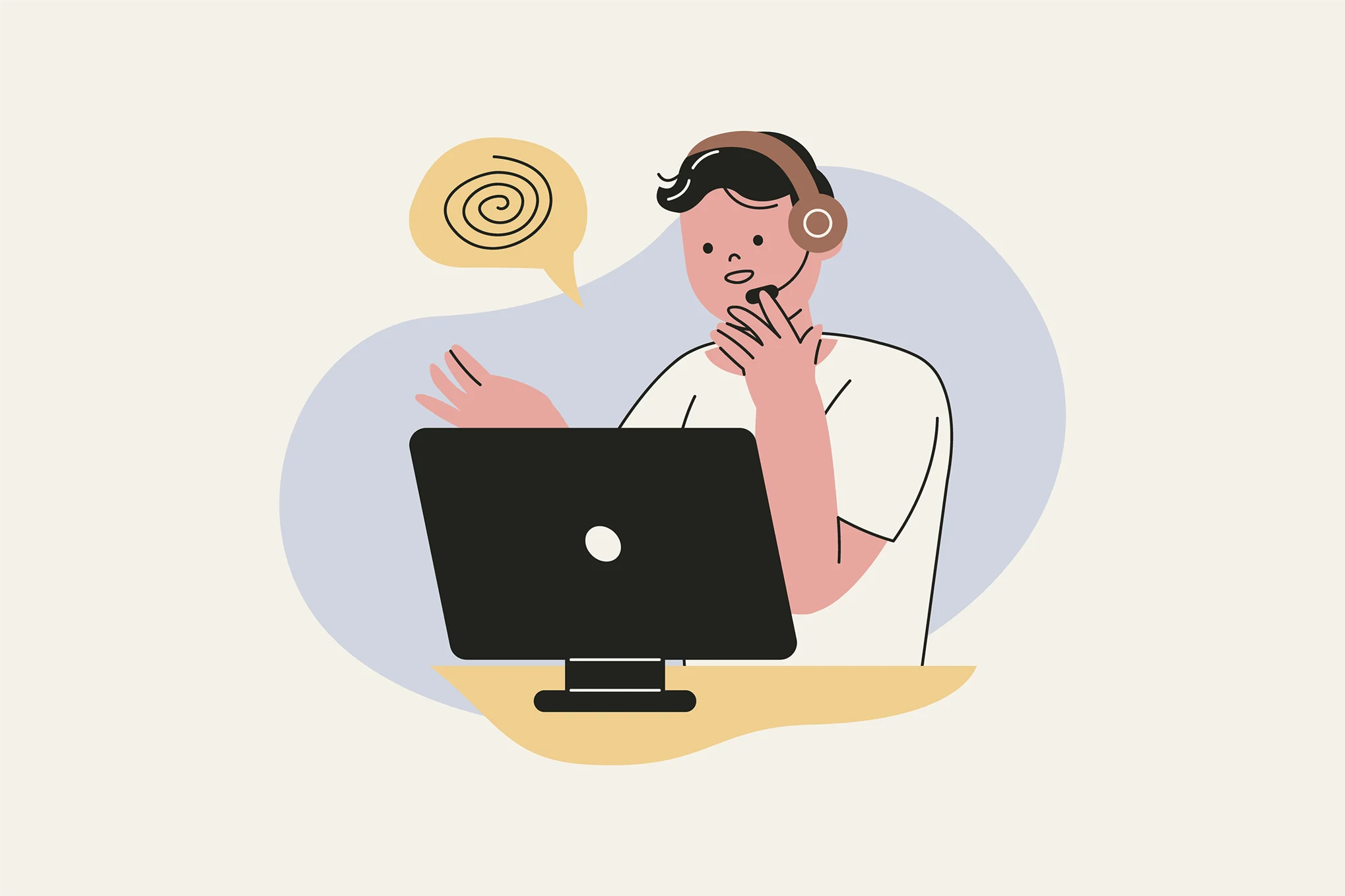
Telehealth is used to provide psychotherapy to adolescents, adults, and families, who prefer to do therapy online or are unable to attend sessions in-person. It may be difficult for a client to travel, move around their school/working hours, or commit to in-person consultations due to anxiety, illness or other practical difficulties. Telehealth is an individual preference and may be beneficial for many different issues/concerns. However, Telehealth is not recommended for all clients and it is suggested that the appropriateness be evaluated on an individual level.

